
The first post-EA FIFA soccer sim will be a Netflix Games exclusive

Meta is 'pausing' third-party VR headsets from ASUS and Lenovo
When it comes to convenience, it’s hard to beat Amazon. And that rationale isn’t limited to consumers: Many local districts shopping for supplies with public funds apply the same logic. But the Institute for Local Self-Reliance (ILSR) published a study earlier this month (via The American Prospect) that illustrates the cost of that bargain. It suggests that Amazon’s “dynamic pricing” has led many schools and other localities to overpay for supplies.
Public schools and local governments have historically bought supplies by soliciting competitive bids from local suppliers. Those vendors then respond with fixed price lists, delivery timelines and other terms. This competition — all out in the open, part of the public record — encourages low prices and transparency.
On the surface, ordering from Amazon appears to offer competition, too. After all, the platform includes third-party vendors fighting for your dollars. But turning taxpayer funds over to Amazon’s algorithms isn’t quite that simple. That’s because the platform’s “dynamic pricing” (algorithmically driven real-time changes) is inherently opaque.
According to the report, Amazon’s contracts with public entities don’t include fixed price lists. Instead, they include language built around swings. “This contract has a dynamic pricing structure in which the price for items listed on the online digital marketplace is driven by the market,” Amazon’s contract with Utah reads. “This contract will not need to be amended when prices fluctuate.”
Below are some examples of wild price discrepancies for these districts. All of ILSR’s examples are from localities buying supplies from Amazon Business with public funds in 2023.
-
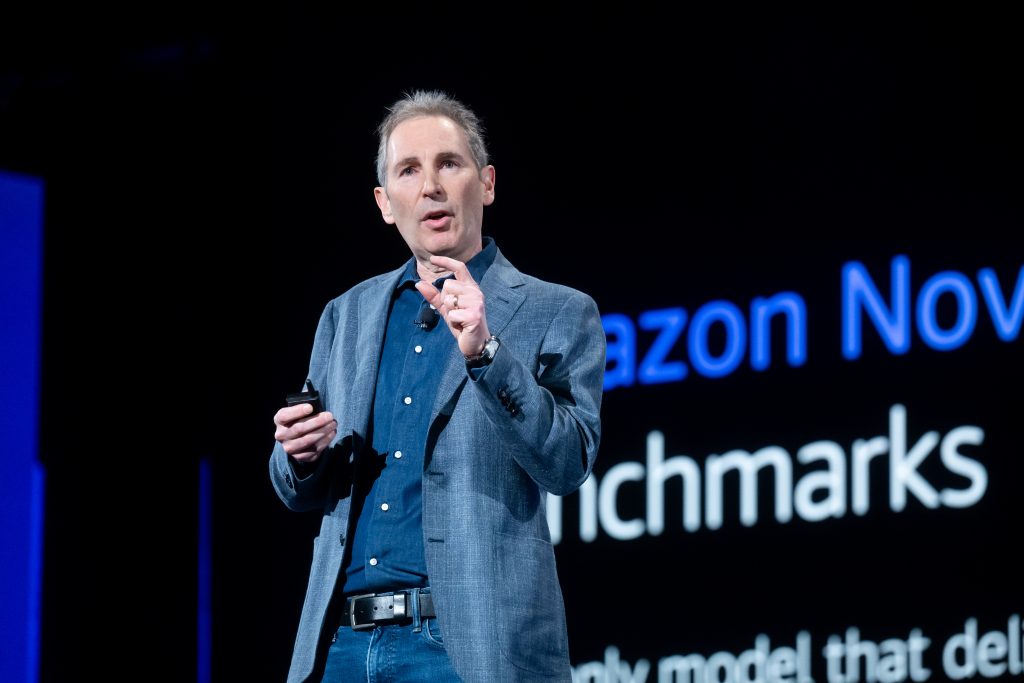
A City of Boulder, CO employee ordered a 12-pack of Sharpie markers from Amazon Business for width:5827px” alt=”LAS VEGAS, NEVADA – DECEMBER 3: Amazon CEO Andy Jassy speaks during a keynote address at AWS re:Invent 2024, a conference hosted by Amazon Web Services, at The Venetian Las Vegas on December 3, 2024 in Las Vegas, Nevada. (Photo by Noah Berger/Getty Images for Amazon Web Services)” data-uuid=”b29c3886-6a7b-39e3-9a8d-2730a373eaf1″ />
Amazon CEO Andy Jassy Noah Berger via Getty ImagesOne portion of the study looked at repeat orders for 2,500 “high-frequency items.” (These included Amazon-brand copy paper, Elmer’s glue, BIC pens, Lysol cleaning wipes and Crayola crayons.) In total, the jurisdictions in the study spent pos:1″>The Guardian, Amazon disputed the study’s conclusions. “Pricing research is notoriously difficult to conduct accurately and typically lacks reliable methodology, including cherry-picked product selections, mismatched product comparisons and comparing in-stock items with products out-of-stock at competitors,”
ILSR’s report drew in spending data from 128 local governments (including cities, counties and school districts) and 122 state agencies. It also gathered contract documents and interviewed public officials, procurement experts and vendors.
This article originally appeared on Engadget at https://www.engadget.com/big-tech/study-links-amazons-algorithmic-pricing-with-erratic-inflated-costs-for-school-districts-202047988.html?src=rss
Original aticle here: Engadget